Views: 18
Paynesville City, Liberia – November 3, 2025 — The Faith and Justice Network, in collaboration with the Ministry of Health, Ministry of Gender, Children and Social Protection, and the Ministry of Education, convened a powerful One-Day Advocacy Session with national, religious, and traditional leaders to address the ongoing challenge of Female Genital Mutilation (FGM) in Liberia. The event was held at the Liberia Learning Center, Paynesville Town Hall, bringing together faith leaders, policymakers, traditional authorities, and civil society representatives for a united dialogue on ending harmful practices that violate the dignity of women and girls.
The session served as a crucial platform for building consensus and strengthening collaboration between religious and traditional institutions — two of the most influential forces in Liberian society — to eliminate FGM and promote the rights, health, and wellbeing of women and girls.
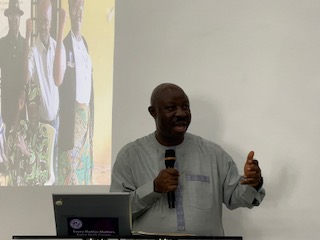
In his keynote address, Rev. Tolbert Thomas Jallah, Jr., Regional Executive Director of the Faith and Justice Network, delivered a passionate and biblically grounded message, urging churches to take a clear and courageous stand against FGM and other harmful traditional practices.
“The church is called to protect life and human dignity,” Mr. Jallah declared. “Harmful traditional practices such as Female Genital Mutilation and Child Marriage directly violate the image of God. They inflict pain, limit potential, and dehumanize those whom God has made whole. To remain silent is to be complicit in the suffering of our daughters, sisters, and mothers.”
Rev. Jallah emphasized that the Christian faith teaches compassion, justice, and the inherent worth of every person — values that stand in direct opposition to practices that
cause physical and psychological harm. He called on faith communities to be agents of healing and transformation, using their moral authority to challenge customs that rob
women and girls of their God-given dignity and purpose.
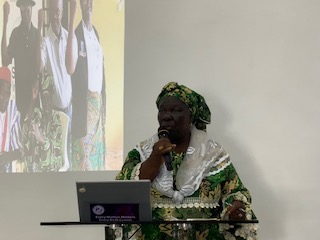
Representatives from the Ministry of Health, Dr. Cuallau Lilian Jabbeh-Howe and Dr. Timan Yeke-Saa, reaffirmed their commitment to a multi-sectoral approach to ending FGM in Liberia.
They highlighted the importance of community-based awareness, education, and the engagement of traditional leaders in transforming social norms.
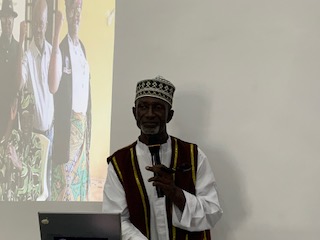
Traditional and religious leaders at the session expressed openness to dialogue and pledged to take the message back to their communities, recognizing that protecting women and girls aligns with both cultural renewal and spiritual responsibility.
The one-day advocacy session concluded with a renewed sense of purpose and unity among stakeholders. Participants agreed that ending FGM in Liberia requires a combination of faith-based advocacy, government policy enforcement, education, and community engagement.
The Faith and Justice Network reaffirmed its ongoing commitment to champion human rights and dignity across West Africa, emphasizing that the movement to end FGM is not only a legal or health issue — but a moral and spiritual mandate.