Views: 12
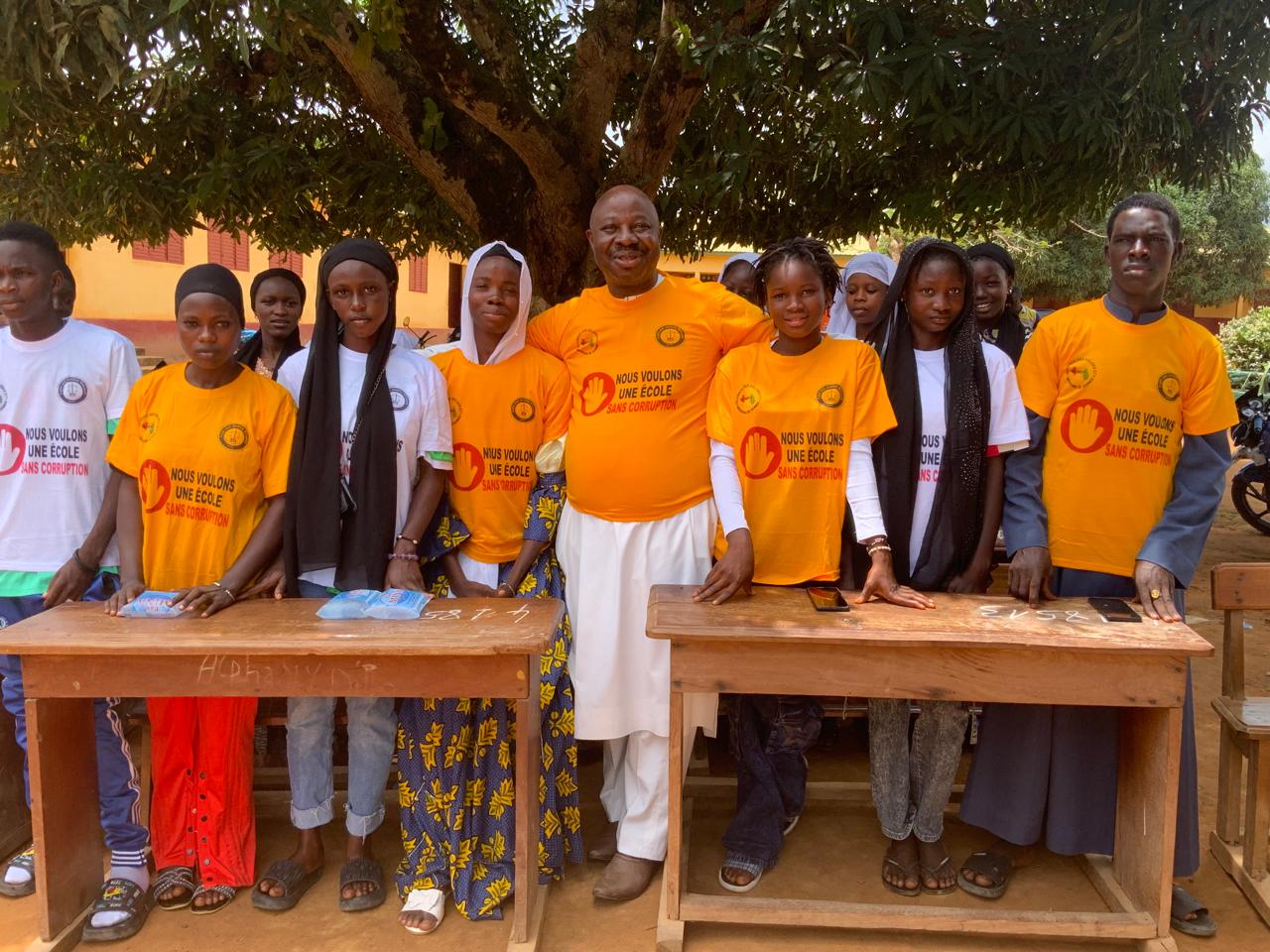
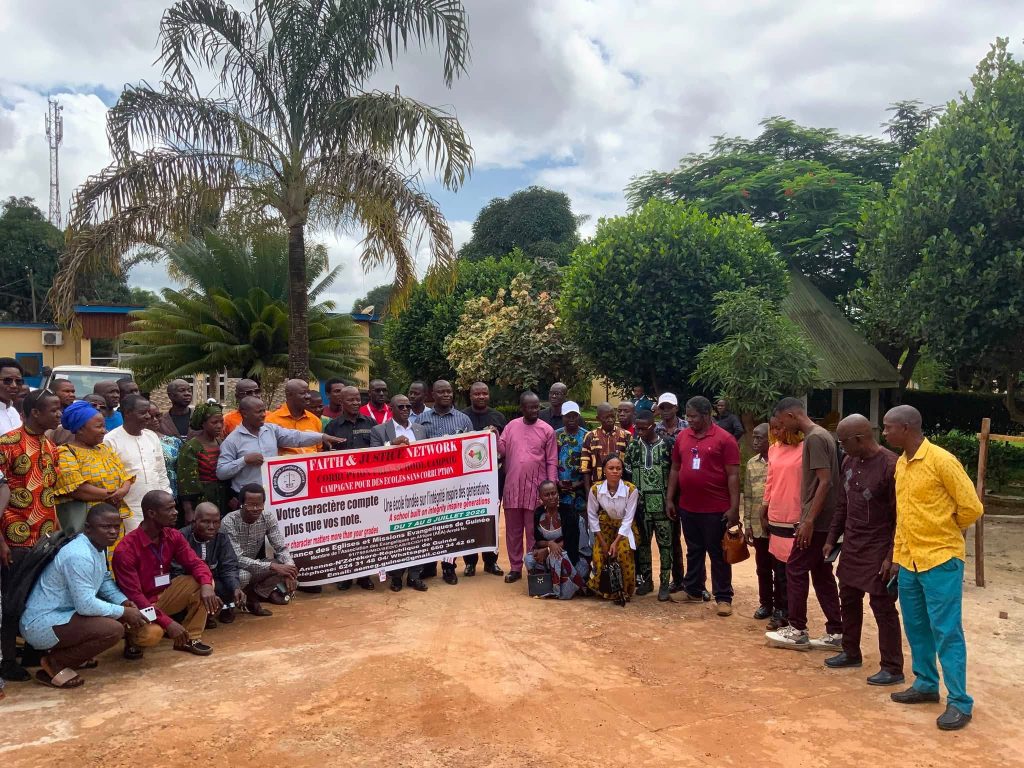
N’Zérékoré, Guinea: 6–8 July 2026, The Faith and Justice Network (FJN) is holding the Regional Corruption-Free School Campaign Conference, taking place in N’Zérékoré, Guinea, from 6–8 July 2026. The conference brings together more than 50 senior church leaders, alongside education experts, anti-corruption practitioners, policymakers, civil society organizations, youth representatives, and development partners to advance a shared regional commitment to integrity, accountability, and justice in education with focus on Academic and Educational Institutions (Origins, Causes, Key Actors, Aggravating Factors, and a Systematic Framework for Solutions and Combating Fraud.
The conference will examine the persistent challenge of corruption within educational institutions and its far-reaching implications for governance, human development, social cohesion, and sustainable peace across the Mano River Basin.
The conference posits that education remains the foundation of national development. Yet corruption in schools, colleges, universities, and examination systems continues to undermine educational quality, weaken public confidence, distort merit-based achievement, encourage inequality, and deprive young people of opportunities to realize their full potential.
Recognizing the influential role of faith leaders as trusted voices within communities, the Faith and Justice Network seeks to strengthen regional collaboration in promoting ethical leadership and mobilizing faith communities to become active partners in preventing corruption and advancing accountable governance.
Over the course of three days, conference participants will:
* Analyze the origins and root causes of corruption in Guinea and the wider Mano River Basin;
* Examine institutional, political, economic, social, and cultural factors that enable corruption within academic and educational institutions;
* Identify the principal actors and systemic challenges contributing to fraudulent practices;
* Share best practices and successful regional and international experiences in promoting transparency and accountability; and
* Develop practical recommendations for governments, churches, educational authorities, civil society, and development partners.
A major outcome of the conference will be the development of a comprehensive regional framework that includes:
* A systematic framework for solutions that strengthens institutional transparency, accountability, and ethical governance;
* A step-by-step strategy for combating fraud in admissions, examinations, recruitment, procurement, certification, financial management, and school administration;
* A regional roadmap for anti-corruption reforms that promotes collaboration among governments, faith institutions, educational stakeholders, and civil society; and
* A practical action plan for preventing corruption and combating fraud through advocacy, civic education, ethical leadership, policy reform, monitoring, and community engagement.
Participants are also expected to adopt the N’Zérékoré Declaration on Corruption-Free Schools, a regional commitment calling upon governments and educational institutions to strengthen transparency, enforce accountability mechanisms, protect whistleblowers, promote merit-based systems, and foster a culture of integrity throughout the education sector.
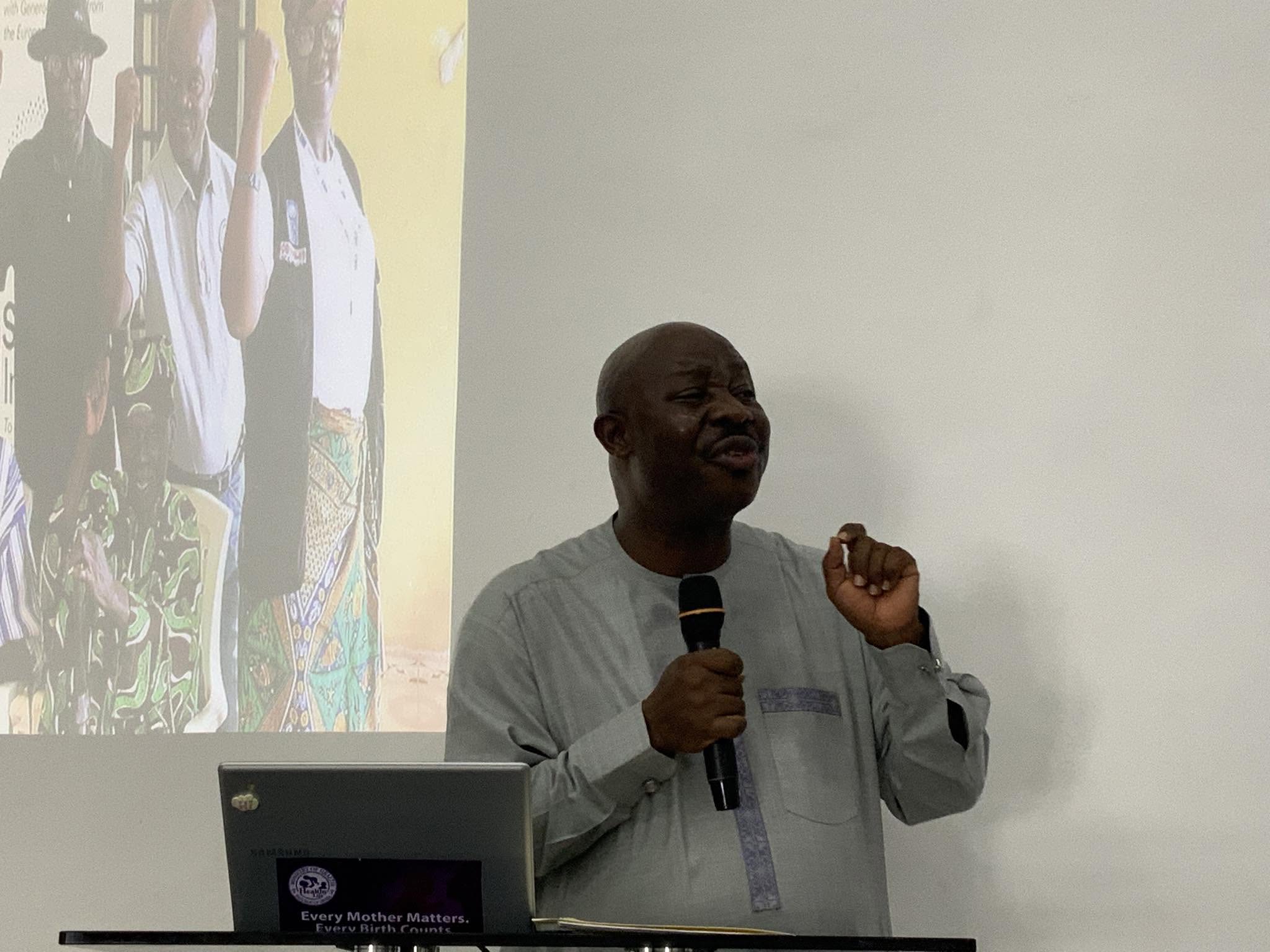
Speaking ahead of the conference, the Vice President of the Board of Directors of the Faith and Justice Network, Rev. Dr. Nuwoe-James Kiamu reaffirmed FJN’s commitment to building societies where education serves as a catalyst for justice, peace, and sustainable development.
“Corruption is not merely a governance challenge, it is a moral challenge. Every act of corruption within education steals opportunities from children, weakens public institutions, and undermines the future of our nations. Faith communities have both the responsibility and the opportunity to champion integrity, accountability, and justice for future generations.”
He calls upon governments, regional institutions, faith-based organizations, development partners, educational institutions, youth movements, the private sector, and the media to join this regional movement to eliminate corruption from schools and build education systems founded on honesty, fairness, transparency, and accountability.
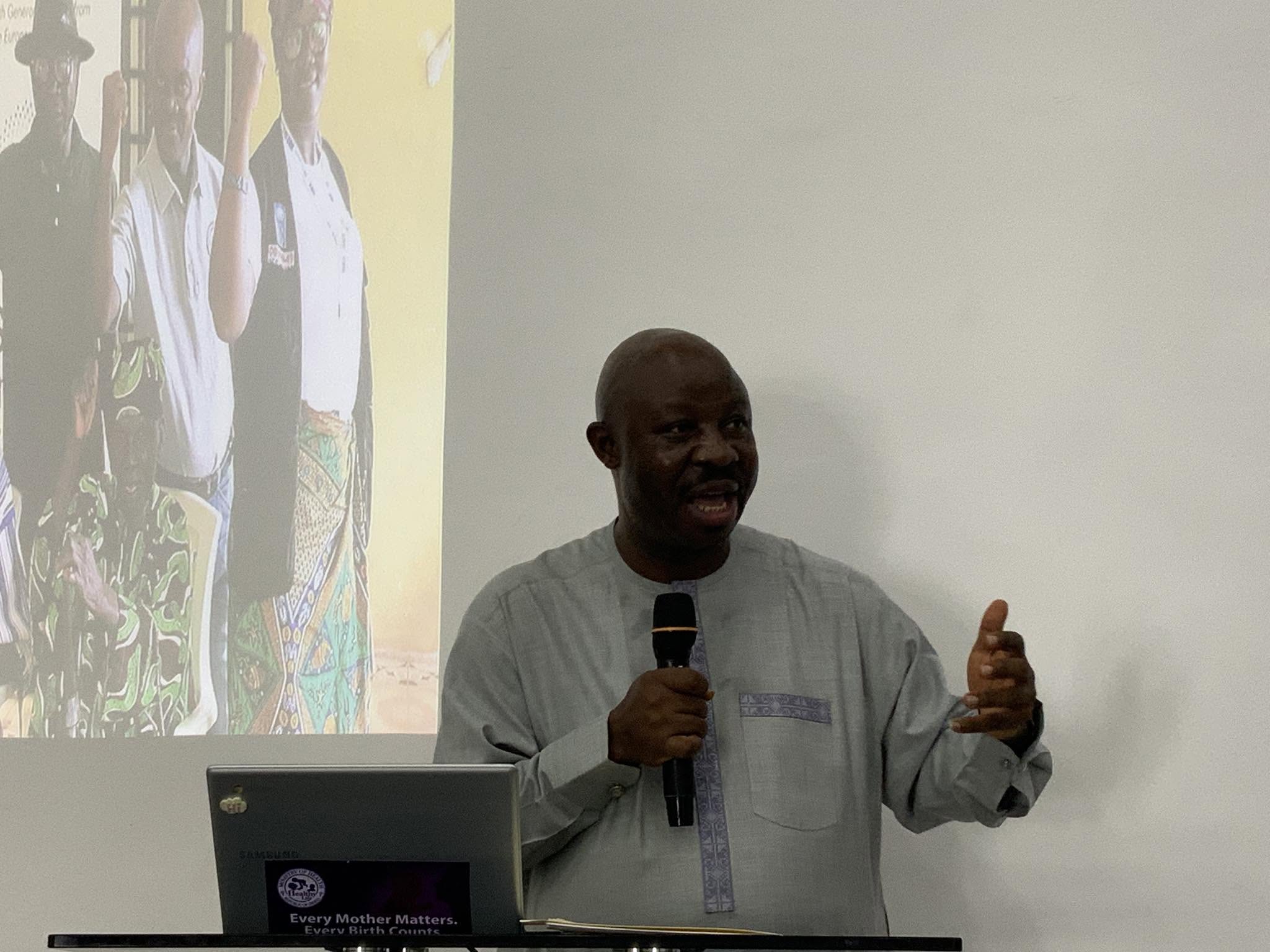
Also, speaking at the opening of the conference, the Regional Executive Director, Rev. Dr. Tolbert Thomas Jallah, Jr. emphasized that combating corruption is both a governance priority and a moral imperative for the churches in the Mano River Basin.
“Education shapes the future of every nation. When corruption enters the classroom, it steals opportunities from children, undermines public trust, and weakens national development. Together, we are building a regional movement that places integrity at the heart of education and justice.”
Together, we can ensure that every child learns in an environment where success is earned through merit, leadership is grounded in integrity, and education becomes a powerful force for national transformation and regional prosperity.